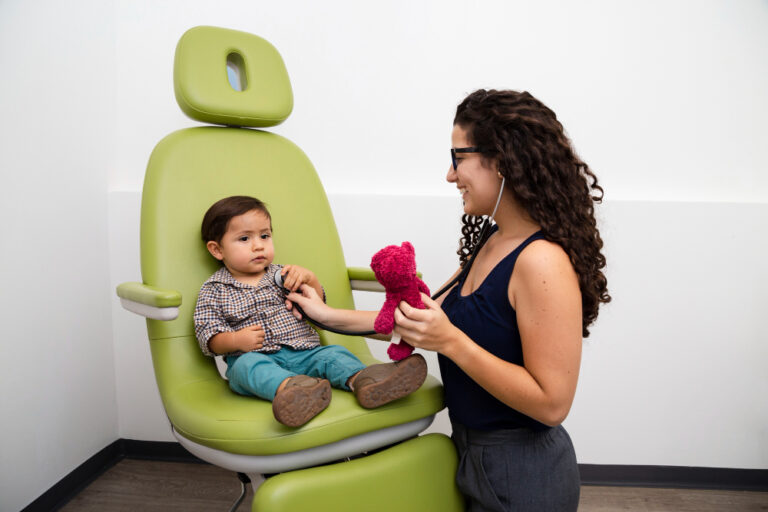



Neonatal Care
Dr. Gauri Dhaygude on Neonatal Care
Neonatal care focuses on providing specialized medical attention to newborns, especially during the first 28 days of life. Dr. Gauri Dhaygude, an experienced neonatologist, emphasizes the importance of early care for ensuring a healthy start in life. Neonatal care addresses both routine and critical needs, ensuring that newborns thrive.
Understanding Neonatal Care
The neonatal period is a crucial time when newborns undergo rapid physical and physiological changes. This stage demands close monitoring and expert care to identify and address any health concerns promptly. Premature babies, low birth weight infants, and those with congenital conditions often require specialized attention.
Why Neonatal Care is Crucial
Dr. Gauri Dhaygude explains that newborns are highly vulnerable to infections, respiratory issues, and other complications. Early intervention and proper care can prevent long-term health issues and improve survival rates. Neonatal care ensures that infants receive the support they need to grow and develop healthily.
Benefits of Neonatal Care
- Early Detection: Identifies and addresses potential health issues promptly.
- Specialized Support: Provides care for premature or high-risk infants.
- Parental Guidance: Educates parents on newborn care and bonding.
- Improved Outcomes: Enhances survival rates and long-term health.
FAQS
Premature birth, low birth weight, respiratory distress, jaundice, infections, and birth defects are some of the conditions that require specialized neonatal care.
Neonatal care typically lasts for the first 28 days of life, but in some cases, babies may need extended care depending on their health status.
While some aspects of neonatal care can be managed at home, critical care usually requires a hospital setting with specialized equipment and professionals.